Monday, November 16, 2015

Parmesan-Butternut Squash Gratin

Parmesan-Butternut Squash Gratin

Parmesan-Butternut Squash Gratin

serves 6

Ingredients

1    butternut squash (2 1/2 lb)
1/4 cup butter or margarine
2    large cloves garlic, finely chopped
1/4 cup Progresso™ panko bread crumbs                                             
1/3 cup grated Parmesan cheese
1/4 teaspoon salt
1/8 teaspoon pepper
1/4 cup chopped fresh parsley

Directions

Heat oven to 375°F. Spray 13x9-inch (3-quart) glass baking dish with cooking spray. Peel, halve lengthwise and seed squash; cut into 1/2-inch-thick slices. Arrange with slices overlapping slightly in bottom of baking dish.
 
In 2-quart saucepan, melt butter over medium heat. Reduce heat to low. Add garlic; cook 2 to 3 minutes, stirring frequently, until garlic is soft and butter is infused with garlic flavor. Do not let butter brown.
 
In small bowl, mix bread crumbs, cheese and 1 tablespoon of the butter-garlic mixture.
 
Brush squash slices with remaining butter-garlic mixture. Sprinkle with salt, pepper and bread crumb mixture.
 
Bake uncovered 30 to 40 minutes or until squash is tender when pierced with fork. Increase oven temperature to 425°F; bake 5 to 10 minutes longer or until lightly browned. Before serving, sprinkle parsley over top.

Avocanana Bread

Avocanana Bread

Avocanana Bread

Total time: 1 hrs. 10 min.
Cook time: 1 hrs. 10 min.
 
Classic banana bread that uses creamy Fresh California Avocado to replace shortening. The result is very moist and great for breakfast, snacks, tea time or dessert.

Ingredients

Serving Size: 8
 
1/3 cupold-fashioned oats (1 minute or regular)
1 cupall purpose flour
1 tsp.baking powder
1 tsp.baking soda
1/2 tsp.salt
1 tsp.cinnamon
1ripe, Fresh California Avocado, seeded
1/4 cupcanola oil
1 cup(packed) brown sugar
2eggs
2very ripe bananas
1/2 cupchopped walnuts
1/4 cupbuttermilk

Instructions

Line a 9 x 5 x 3 inch loaf pan with nonstick foil and lightly grease the bottom only.
Preheat oven to 350 degrees F.
Combine dry ingredients: oats, flour, baking powder, baking soda, salt and cinnamon. Set aside.
Scoop the avocado into a large bowl and mash lightly.
Add oil and brown sugar to the avocado. Cream together using an electric mixer, until light and creamy.
Add eggs, one at a time, beating well after each addition.
Stir in bananas, then walnuts and dry ingredients.
Stir in buttermilk and beat just until buttermilk is incorporated.
Pour into prepared loaf pan and bake in preheated oven for 1 hour and 10 minutes. Avocanana bread is quite moist and may not pass the "toothpick" test at this point. If you prefer a drier bread, bake a little longer.
 
Yields: 1 loaf
 
Serving Suggestions:
Sprinkle cooled bread with powdered sugar, if desired.
 

Autumn Root Vegetable Gratin with Herbs and Cheese


Autumn Root Vegetable Gratin

Autumn Root Vegetable Gratin with Herbs and Cheese

Serves 6
     
1 1/2 cups whole milk
2 cloves garlic
Pinch freshly grated nutmeg
2tablespoons extra virgin olive oil
3/4pound butternut squash
3/4pound white potatoes
1/2pound parsnips
Salt and pepper
1/4teaspoon chopped fresh thyme leaves
1/4 teaspoon finely chopped fresh rosemary
1cup grated Gruyère
1cup grated Pecorino
 
Heat the oven to 400° F. Put the milk in a small heavy saucepan and peel and smash one of the garlic cloves. Add it to the milk and then heat the milk over low heat until it just starts to bubble at the edges. Remove from the heat, add the nutmeg and let steep while you continue with the recipe.
 
Peel the second garlic clove, cut it in half and rub the cut side around the inside of a 6-cup baking dish no more than 2 inches deep. Rub 1 tablespoon of the oil all over the inside of the dish.
 
Peel the squash, potatoes and parsnips and cut them into very thin slices (1/8-inch thick). If you have a mandoline, now's the time to use it.
 
Layer the vegetables into the baking dish, alternating between squash, potato and parsnip, and fanning them into concentric, overlapping circles. Season generously with salt and pepper and sprinkle a third of the cheese and a third of the chopped herbs over the slices. Repeat twice, making the top layer as neat and tidy as you can.
 
Remove the garlic clove from the hot milk and pour the milk evenly over the vegetables. Drizzle the remaining olive oil over the top of the gratin and bake for about 50 minutes, until the top is browned and bubbly and the vegetables yield easily when you poke them with a sharp knife. If the vegetables are tender but the top isn't as brown as you'd like, turn on the broiler for a couple of minutes -- watch it carefully so it doesn't burn! Let the gratin cool for at least 5 minutes before serving.

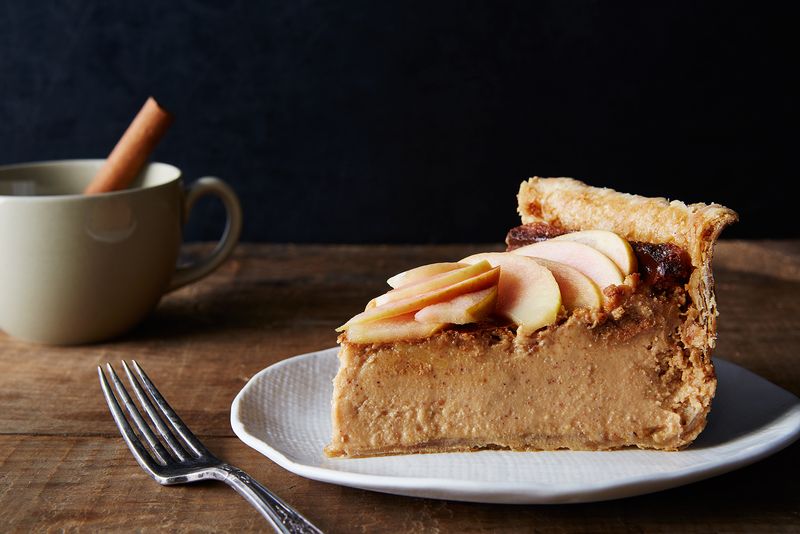
CIDER CHEESECAKE PIE


Cider Cheesecake Pie

Makes one 9-inch pie

For the crust:
1 1/2 cups all-purpose flour
1/2 teaspoon salt
1/2 teaspoon ground cinnamon
8 tablespoons very cold unsalted butter, cubed
Ice water, as needed
Egg wash, as needed

For the filling:
24 ounces cream cheese, at room temperature
3/4 cup granulated sugar
1/4 cup dark brown sugar
1 1/2 teaspoons cinnamon
1 to 2 grates fresh nutmeg
3 eggs
3/4 cup heavy cream
3/4 cup boiled cider (available from King Arthur; thawed apple juice concentrate will work in a pinch)
1 tablespoon vanilla extract

For the optional finish:
1/2 cup granulated sugar
1/2 cup water
Juice of 1 lemon
2 apples, halved, cored, and thinly sliced

Preheat the oven to 425° F. Butter a 9-inch springform pan and place it on a baking sheet.
 
In the bowl of a food processor, pulse the flour, salt, and cinnamon to combine. Add the butter and pulse until it’s the size of peas. Remove the mixture and transfer to a medium bowl.
 
Use a fork to mix in ice water, 1 tablespoon at a time, until the dough just comes together. Wrap tightly in plastic wrap and refrigerate for at least 30 minutes.
 
On a lightly floured surface, roll out the dough to 1/4- to 1/8-inch thick. Transfer the dough to the springform pan and work carefully to make sure it’s nestled all the way down to the base. Chill thoroughly; 15 to 20 minutes in the freezer is best.
 
Dock the frozen dough all over with a fork. Place a square of parchment over the pie and fill with pie weights. Bake until just beginning to brown at the edges, 10 to 12 minutes. Remove the pie weights, brush the base of the dough with egg wash, and return to the oven for 5 minutes more. Take the pie out of the oven and cool the crust completely. Reduce oven temperature to 350° F.
 
In the bowl of a food processor, purée the cream cheese, sugars, cinnamon, and nutmeg to combine.
 
Add the eggs and mix until smooth. Add the cream, cider, and vanilla and mix until fully incorporated.
 
Pour the filling into the cooled crust, and bake until the custard is just set, 35 to 40 minutes. Cool completely.
 
While the pie cools, you can make the (totally optional) garnish. Bring the sugar, water, and lemon juice to a boil in a small pot. Add the apples (you may need to work in batches), and simmer for about 1 minute. Lay out on absorbent paper towels to drain.
 
Layer the apples on top of the finished cheesecake pie.

Thursday, October 22, 2015

How to Roast Pumpkin Seeds

How to Roast Pumpkin Seeds

pumpkin seeds on baking sheet

You know the drill. Pick out a pumpkin, grab some carving templates and tools, and away you go. But when you're elbow-deep in pumpkin innards this fall, don’t forget to reserve the seeds for an easy, addictive snack that’s ready in minutes.
 

pumpkin seeds on baking sheet
Carving pumpkins may get all the Halloween glory, but it’s roasting the oh-so-addictive seeds inside that’s become our favorite treat for any time of year. Pumpkin seeds, also called Pepitas, are an amazing snack that you can roast and enjoy in just a few simple steps. You can season your seeds any way you like, opting for a savory flavor profile—think cumin and coriander—or a sweet combination, like cinnamon and ginger. No matter how you season them, roasted pumpkin seeds serve as the perfect blank canvas for the flavors of your choice.

Aside from their easy preparation and deliciously crispy texture, pumpkin seeds are also chock-full of nutrients; their multiple health benefits give us plenty of reasons to keep snacking! According to the USDA, pumpkin seeds are full of essential nutrients, particularly magnesium, potassium and zinc. Magnesium helps regulate blood pressure, as well as muscle and nerve function. Potassium has also been shown to help regulate blood pressure, as well as maintain healthy bones and muscles. Zinc does wonders for the immune system, helping to prevent respiratory infections and other common illnesses. Pepitas are also a phenomenal source of protein—just one cup has over 18 grams.

All the great nutrients pumpkin seeds have to offer make us even happier to keep them on hand year-round. But before you learn how to roast your pumpkin seeds, you’ll need to assemble a few basic things.

What you’ll need:
  • Pumpkin
  • Carving knife
  • Colander
  • Baking sheet
cutting board and pumpkins
The pumpkin type you choose depends on what your grocer may have available at the time. The most common type of pumpkins sold for cooking purposes are referred to, quite logically, as “cooking pumpkins.” These pumpkins—like the Styrian, for example—produce highly flavorful seeds and tend to be smaller than the “carving pumpkins” seen on display around Halloween. Either are fine to use; you’ll only notice a slight variation in the texture and flavor of the seeds.

We used three smaller cooking pumpkins to roast our seeds, but you can also opt for the larger carving variety. As a general rule of thumb, one 10-14 lb pumpkin will yield about one cup of pumpkin seeds—but of course, mother nature has some variation.

How To:

1.  Carve off the top of your pumpkin(s).
slicing open pumpkin
2.  If you’re using a larger carving pumpkin, taking off the top might be all you need to do. But for several smaller cooking pumpkins, like ours, you’ll also want to cut the pumpkin into sections for better access to the seeds. slicing pumpkin
3.  Scoop out the innards and seeds of the pumpkin and place in colander. scooping seeds into colander
4.  Next, separate the seeds from the innards, discarding the innards into a small bowl and leaving the seeds in the colander. picking out pumpkin seeds
5.  Once you have a colander that’s solely full of seeds, rinse them under cold running water. washing pumpkin seeds
6.  After rinsing your seeds, pat them dry with a paper towel or cloth. Sprinkle 1 tablespoon vegetable oil on baking sheet and sprinkle seeds on top. Be sure to spread them as thinly as possible so there is only one layer. pumpkin seeds on sheet pan
7.  Heat oven to 300 degrees. Sprinkle 1 teaspoon kosher salt over seeds. If adding other seasonings, like any of the 13 flavor combinations below, now’s the time to toss those ingredients with the seeds. sprinkling salt on seeds
8.  Bake for 15 to 20 minutes or until golden; cool all the way before eating. pumpkin seeds on baking sheet
Expert tips:
  • An optional step before rinsing and drying your seeds is to boil them in salt water for ten minutes. This makes them extra crispy and also easier to digest.
  • Roasting times may vary depending on the size of the seeds. Smaller seeds may take closer to ten minutes, while larger ones may take closer to 30. The best way to check is to take them out when they are lightly browned: pumpkin seeds that are ready to eat will be very crispy and easy to bite into. 
  • There’s really no wrong way to eat a pumpkin seed! Some people crack the shell and remove the inner seed first, but it’s easy (and tasty!) to eat the seeds whole and enjoy them that way.
13 ways to flavor your roasted pumpkin seeds

Cinnamon sugar: This recipe for cinnamon sugar pumpkin seeds will satisfy any sweet tooth.

Salt and vinegar: 1 teaspoon salt and 2-3 tablespoons balsamic vinegar

Parmesan garlic herb:
1/3 cup grated Parmesan cheese, ½ teaspoon garlic powder, ½ teaspoon salt and 2 tablespoons minced fresh rosemary

Taco: Check out our recipe for peppy roasted pumpkin seeds for a Tex-Mex twist.

Truffle chive: 1 teaspoon black truffle salt or oil, 2 tablespoons minced fresh chives and 1/3 cup grated Parmesan cheese

Buffalo wing:
1 tablespoon melted butter and 2 tablespoons hot sauce
Chile lime: ½ teaspoon salt, 1 teaspoon chili powder and 2 tablespoons fresh lime juice

Brown butter:
2-3 tablespoons browned butter (melt butter in sauce pan over medium-high heat until it bubbles and starts to brown) and 1 teaspoon salt

Jerk: Toss the pumpkin seeds in a batch of our scratch jerk seasoning

Pumpkin pie:
1 teaspoon ground cinnamon, ½ teaspoon salt, ½ teaspoon ground ginger, 1/8 teaspoon ground cloves and 1-2 tablespoons sugar

Ranch:
1-2 tablespoons minced fresh chives, 2 teaspoons minced fresh parsley, 1/4 teaspoon salt, 1/4 teaspoon garlic powder and 1/8 teaspoon black pepper

BBQ: Our Cajun spice rub adds smoky depth

Sesame ginger: 1 teaspoon sesame oil, 2 tablespoons soy sauce, 2 teaspoons sugar and 1 teaspoon ground ginger.

Want a pumpkin-seed sampler? After tossing 12 handfuls of seeds with 12 different seasonings, roast them in a muffin pan to separate each flavor.

Ways to serve:
Aside from being a delicious standalone treat, pumpkin seeds also make great additions to existing dishes. Here are some fun serving ideas:
  • Add them to southwestern quinoa salad
  • Use them to top a veggie or pesto-based pizza
  • Add to no-bake bars
  • Garnish a warm cup of butternut squash soup
  • Add to granola or trail mix
  • Top shortbread cookies 
  • Give chicken chili an extra crunch

Thursday, July 23, 2015

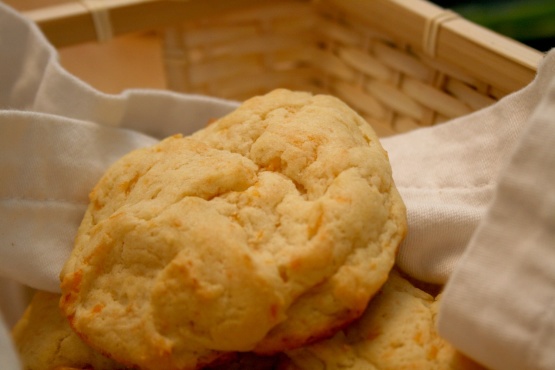
Red Lobster Cheddar Bay Biscuits Copycat


Red Lobster Cheddar Bay Biscuits Copycat

Yield:  15 biscuits


2 cups Bisquick
23 cup milk
12 cup cheddar cheese, shredded
12 cup butter melted
14 teaspoon garlic powder


Heat oven to 450 degrees.
Mix bisquick, milk and cheese until a soft dough forms.
Drop by spoonfuls onto an ungreased cookie sheet.
Bake 6-8 minutes or until golden brown.
Mix butter or margarine and garlic powder.
Brush mixture over warm biscuits before removing from cookie sheet.

Wednesday, July 22, 2015

Spaghetti with Corn Carbonara and Crab

Spaghetti with Corn Carbonara and Crab

Spaghetti with Corn Carbonara and Crab      

7 ears of corn, shucked
1 pound spaghetti
2 tablespoons unsalted butter
1/4 pound guanciale**, cut into 1/4-inch dice
2 medium shallots, minced
2 garlic cloves, thinly sliced
1 tablespoon fresh lemon juice, plus finely grated zest, for garnish
Salt
Pepper
1/2 pound jumbo lump crabmeat
Extra-virgin olive oil and shichimi togarashi***, for serving

On a work surface, cut the corn kernels off of the cobs; using the sharp side of the knife, scrape the pulp off the cobs. You should have 4 cups of kernels and pulp. Transfer the kernels and pulp to a blender and puree until smooth. Strain the puree through a fine sieve, pressing on the solids.

In a large saucepan of salted boiling water, cook the spaghetti until al dente. Reserve 2 cups of the cooking water, then drain the pasta.
 
Wipe out the saucepan and melt the butter in it. Add the guanciale and cook over moderate heat, stirring occasionally, until the fat is rendered, about 7 minutes. Add the shallots and garlic and cook, stirring, until softened, about 3 minutes. Add the spaghetti, strained corn puree, 1 1/4 cups of the pasta cooking water and the lemon juice. Cook over moderate heat, tossing, until the sauce is thickened and creamy, 3 to 5 minutes; add more of the cooking water if necessary. Season the pasta with salt and pepper and very gently fold in the crab. Transfer to shallow bowls and drizzle with olive oil. Garnish with lemon zest and shichimi togarashi and serve right away.
 
Make Ahead
The strained corn puree can be refrigerated overnight.
 
**Guanciale is Italian cured pork cheek or jowl. It's traditionally used in classic pastas, like spaghetti all carbonara and bucatini all'amatriciana. Because it's largely fat, guanciale has a more seductive pork flavor and delicate texture than cured meat that comes from the belly (like pancetta, which is a common substitute, though the flavor isn't the same).

To make guanciale, you rub pork cheeks with some combination of salt, sugar, pepper, herbs and spices and then air dry them for several weeks. If you're feeling ambitious, try making your own.  There is a recipe in Mario Batali’s The Babbo Cookbook.
 
Guanciale: Made from the jowls of hogs, the meat is rubbed with pepper before aging, and is less fatty than its common substitute, pancetta.
 
***shichimi togarashi - Japanese 7 Spice - The exact ingredients and ratios may change from blender to blender, but seven spice powder is built on a foundation of chiles, dried orange peel, Sichuan peppercorns, sesame seeds (white and/or black), dried ginger, and seaweed. It likely originated in 17th century apothecaries, after chiles were introduced to Japan as a form of medicine.